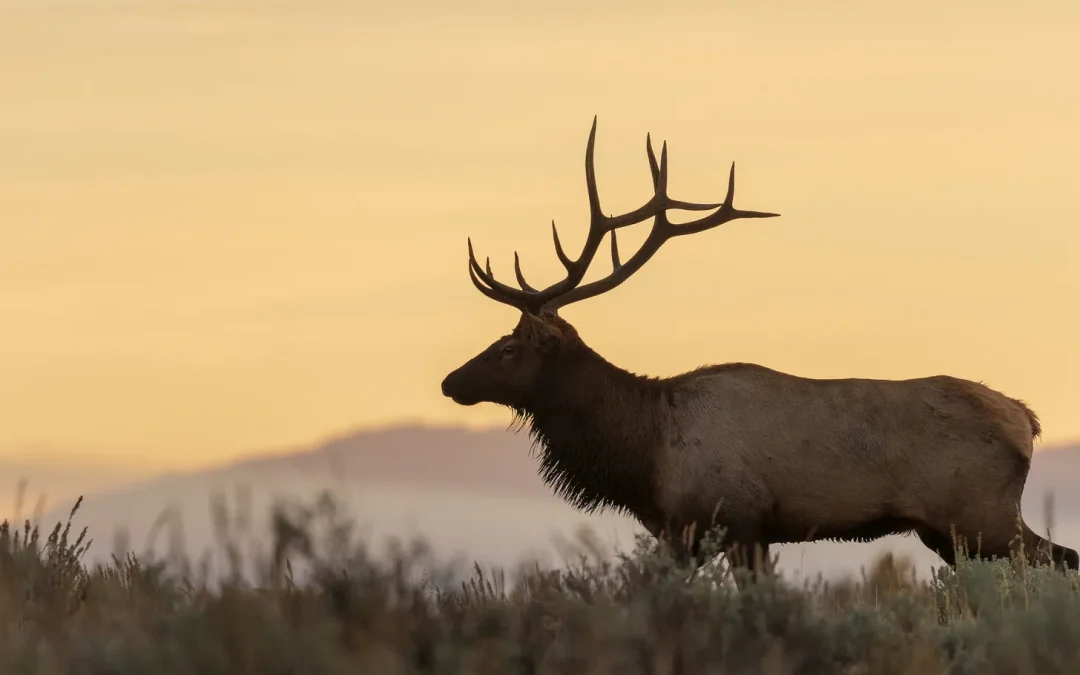
The taste of elk, the scent of juniper, and the lessons my father left behind.
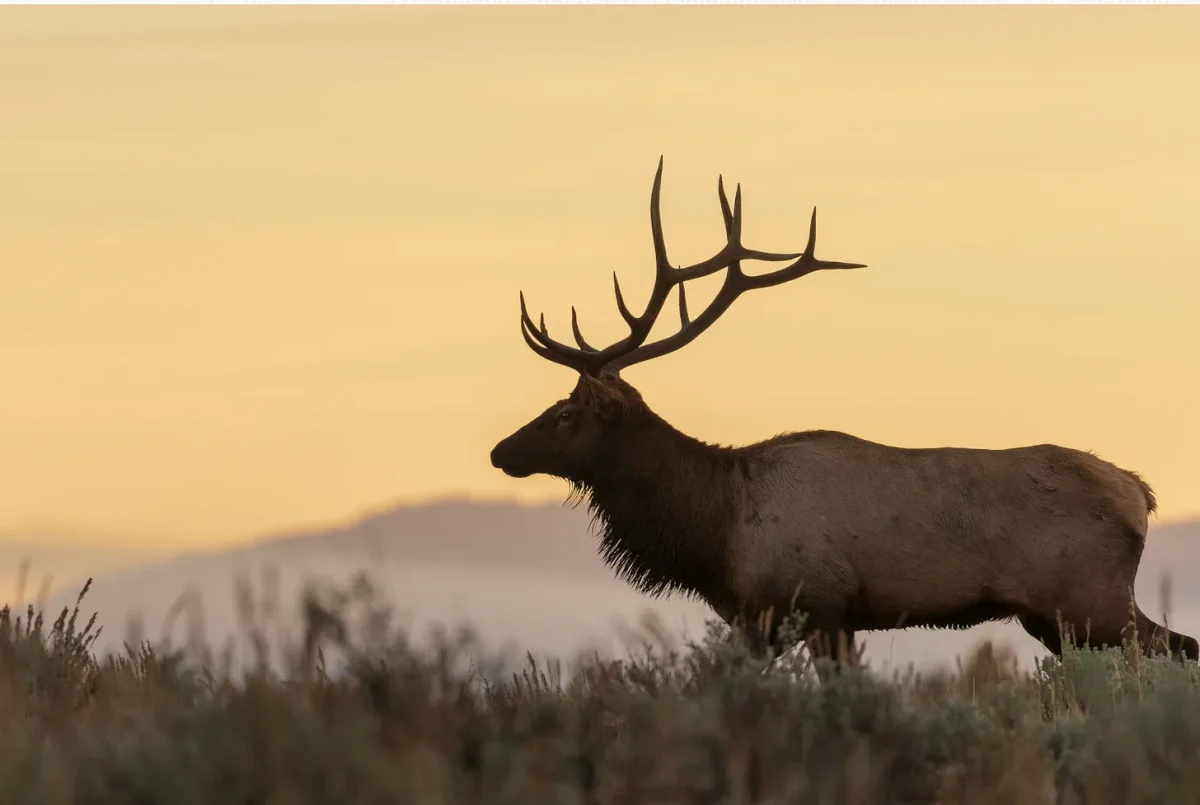
I remember the first time I tasted elk not on a plate, but in a moment.
It was late November in the high country — where the air thins, the sky opens wide, and time feels slower, heavier. That was the first real hunt I went on with my dad. Not the kind where you tag along just to feel grown, but the kind where you carry the weight — pack, rifle, sweat, silence — and know it matters.
I was fifteen. Long-limbed and quiet, too unsure to speak much but stubborn enough to show I belonged. My dad wasn’t a man who talked unless the moment called for it. But when he did, you listened. He believed in lessons earned, not given. He taught through presence, through callused hands, and through letting me mess up just enough to learn something useful.
We’d tracked the bull since sunrise, moving slow through stands of burnt pine and sage-scarred slope. The wind smelled of snow and dry juniper, sharp and clean in a way that still takes me back every time I crush a needle between my fingers.
I remember the sound of the shot — one clean crack — and then the silence that followed. The kind of silence that doesn’t ask for words. Just breath, and reverence.
We found the elk laid out beneath a stand of twisted pines, his breath already gone to whatever sky creatures return to. My dad didn’t say a word. Just nodded once and handed me the knife.
That was my first field dress. My hands were shaking, cold and bloody, fumbling through what I knew from books and stories, but not yet from muscle. He guided me only when I needed it — his voice low, firm, not unkind. That was how he loved. By trusting me with the hard parts.
“Some memories carve themselves into you so quietly, you don’t notice until years later — when they still haven’t moved.”
We worked through the night. Headlamps cutting through the dark like halos on ghosts. The wind bit at our cheeks, but the blood warmed us.
I don’t remember what we said after.
Maybe nothing.
Maybe everything.
It was one of those moments that carves itself into you quietly, and years later, you find it still sitting there — unmoved, waiting.
My dad passed in my thirties. Heart attack or stroke, they said. One minute he was there — the full weight of his presence still grounding me — and the next, he was gone.
No goodbyes. No last words.
Just a silence that felt entirely different from the one we shared in the pines.
But this memory — the elk, the cold, the smell of juniper crushed under leather gloves — it hasn’t faded. It’s held fast, like dried blood in the grain of a good blade.
It’s how I remember him best.
Not in a hospital bed or through secondhand condolences, but in that canyon, under a sky smeared with stars, with our hands in the chest cavity of something wild and sacred.
Years later, I cooked elk loin in a fine-dining kitchen.
Seared it just right.
Glazed it with a juniper reduction.
Plated it with roasted roots and pickled wild onion.
It was beautiful. It was everything they taught you in chef school —
without me ever having gone.
But it didn’t taste like that night.
It didn’t taste like memory.
Memory doesn’t come plated in courses. It comes raw. Ragged. Lopsided and wild.
Because memory doesn’t come plated in courses or polished with microgreens.
It shows up in the stories we don’t even know we’re still telling —
in the scents that pull you out of the present and drop you in the middle of the past like a flash fire.
It tastes like meat steam rising in twenty-degree air.
It tastes like smoke curling off juniper twigs thrown into a dying fire.
It tastes like grief and grit and the way your dad’s eyes look when he knows you’re becoming a man, but he won’t say it.
He’ll just hand you the pack and trust you to haul your weight.
I cook different now.
Not for stars or status.
Not to impress critics or chase perfection.
I cook for memory.
For that ache behind the ribs that flares when something means something.
I cook to feed the ghosts.
The ones that made me.
The ones I carry.
The best food I’ve ever tasted was eaten off a pocketknife blade, standing over a blood-slick tarp in a pine-shadowed draw. No music. No wine pairings.
Just a piece of seared backstrap, salt, and silence.
And my dad, standing beside me, nodding once.
That was enough.
Now, when I crush juniper between my fingers in the kitchen, I stop and breathe it in.
It smells like him.
Like the high country.
Like the part of myself that still believes in the kind of lessons you can’t write down — only pass along through fire and food.